
Plastic pollution is often blamed on consumer behaviour, with a focus on visible post-consumption waste. Producers remain largely invisible. This overlooks the systemic causes rooted in production and packaging practices. The primary responsibility for solid waste management is borne by local governments, yet plastic pollution continues to strain their budgets, undermine basic service delivery, and reduce residents’ quality of life. The costs are not just financial –accumulated plastic waste also degrades urban and rural environments, impairs sanitation infrastructure, and poses public health risks. In coastal counties, plastic pollution directly threatens marine ecosystems such as coral reefs, mangroves, and fisheries, which are critical to local food systems and the tourism sector. Since tourism is a key revenue source for many counties, this environmental degradation translates into lost income and missed development opportunities.
Kenya has emerged as a regional leader in plastics regulation, having banned plastic bags and recently gazetted Extended Producer Responsibility (EPR) regulations that reinforce the “polluter pays” principle.2 EPR obligates producers to manage waste generated from their products. Yet enforcement remains weak, and local governments lack reliable data to trace pollution back to producers.
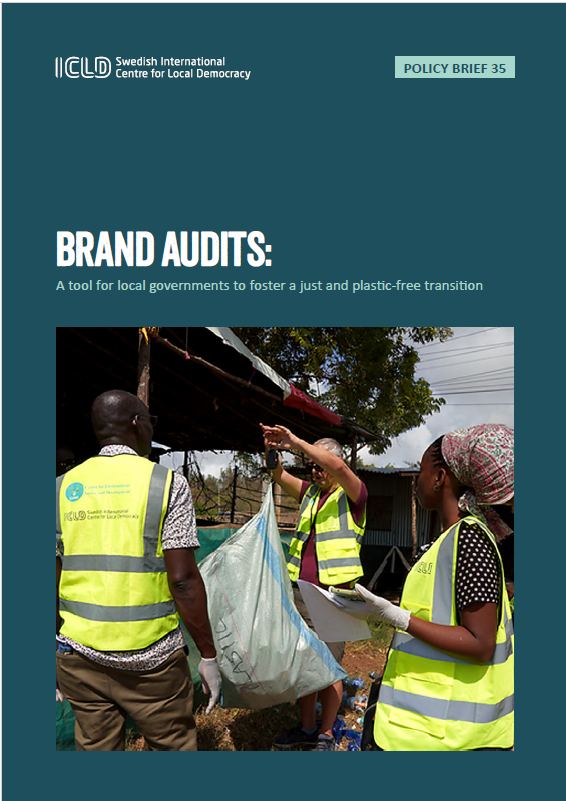
In this context, Brand Audits have emerged as a powerful tool to bridge this accountability gap by generating evidence of who is polluting, what types of plastics dominate, and how local communities are impacted.